How to Start Indoor Cycling at Home: A Beginner’s Guide for Women

This post contains affiliate links. This means I will make a commission at no extra cost to you should you click through and make a purchase. Read the full disclosure here.
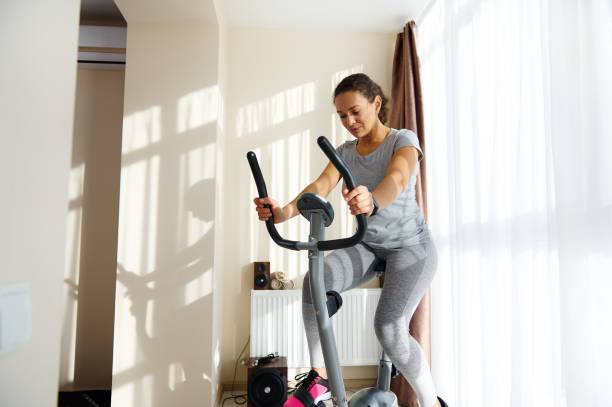
Starting an indoor cycling routine at home is one of the smartest ways for women to stay active during winter. Indoor biking is convenient, low-impact, and adaptable to all fitness levels, making it ideal for beginners who want to build healthy habits without pressure or intimidation.
This guide walks you through everything a woman needs to know to begin indoor cycling safely and confidently at home, especially during the winter months.
Why Indoor Cycling Is Ideal for Beginners
Indoor cycling removes many of the barriers that prevent women from exercising consistently in winter:
- No cold weather or slippery roads
- No gym commute or scheduling pressure
- Full control over pace, resistance, and duration
For beginners, this means a stress-free introduction to fitness that prioritizes comfort and sustainability over intensity.
Choosing the Right Space at Home
You don’t need a large area to start indoor cycling. A small, well-ventilated space is enough.
What to look for:
- Flat, stable flooring
- Good airflow or a fan to prevent overheating
- Enough room to move safely on and off the bike
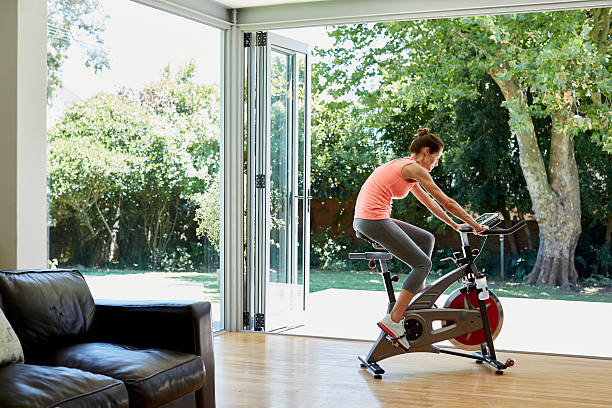
Tip: Place your bike near natural light or a window to improve mood and motivation during winter.
Getting the Bike Setup Right
Proper bike setup is essential to prevent discomfort and injury.
Key setup points:
- Seat height: Your leg should have a slight bend at the bottom of the pedal stroke
- Handlebar height: Start slightly higher than the seat for comfort
- Seat position: Knees should align over the pedals
If something feels uncomfortable, stop and adjust. Proper setup makes cycling enjoyable rather than painful.
What to Wear for Indoor Cycling
Comfortable clothing helps you focus on your workout.
Recommended clothing:
- Breathable, moisture-wicking fabrics
- Padded cycling shorts or leggings (optional but helpful)
- Supportive sports bra
- Athletic shoes with firm soles
Tip: Avoid overly loose clothing that could catch on pedals or handlebars.
Starting with the Right Workout Length
As a beginner, less is more.
Suggested starting plan:
- 10–15 minutes per session
- 3–4 times per week
- Light to moderate resistance
This approach builds endurance gradually and prevents burnout. You can increase duration and intensity as your confidence grows.
Learning Basic Cycling Techniques
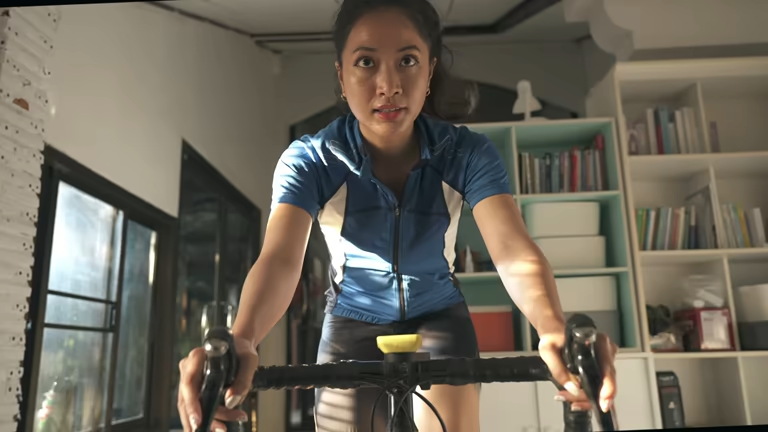
Focus on good form rather than speed.
Key technique tips:
- Keep your core engaged
- Relax shoulders and grip handlebars lightly
- Pedal smoothly, not forcefully
Maintaining proper posture protects your back and knees, especially important for women new to indoor cycling.
Warm-Up and Cool-Down Are Essential
Skipping warm-ups is a common beginner mistake.
Warm-up (5 minutes):
- Easy pedaling
- Gradually increasing resistance
Cool-down (5 minutes):
- Slow pedaling
- Gentle stretching
These steps reduce soreness and help your body recover, making workouts easier to stick with long-term.
Managing Motivation as a Beginner
Staying motivated in winter can be tough.
Helpful strategies:
- Set realistic goals (consistency over performance)
- Use music, podcasts, or guided rides
- Track progress weekly rather than daily
Remember: showing up matters more than how long or how hard you ride.
Listening to Your Body
Indoor cycling should energize you—not exhaust you.
Stop if you experience:
- Sharp pain
- Dizziness
- Extreme fatigue
Rest days are part of progress, especially for beginners.
Final Thoughts
Starting indoor cycling at home is a powerful step toward better health, especially during winter. By setting up your space properly, starting slowly, focusing on form, and listening to your body, indoor biking becomes an enjoyable and sustainable habit.
For women new to fitness or returning after a break, indoor cycling offers freedom, flexibility, and confidence—all from the comfort of home.